
Designing for a world that gives back more than it takes
From the chair you’re sitting on to the jumper you’re wearing and the packaging of your groceries: virtually everything we use on a daily basis has been designed. But with many products, hardly any thought has been given to what happens when they wear out. They’re made from new raw materials, have a limited lifespan and eventually end up as waste. That consumes raw materials, causes pollution and depletes the earth.
But it doesn’t have to be that way. More and more entrepreneurs are designing products that are not only less harmful but actually make a positive contribution. They are opting for different materials, new business models and smart ways to extend the useful life of products, or reuse them. This way of thinking is called Circularity by Design. The Postcode Loterij Fonds and DOEN Ventures support pioneers who are showing that this shift is possible.
The biggest change starts with the design
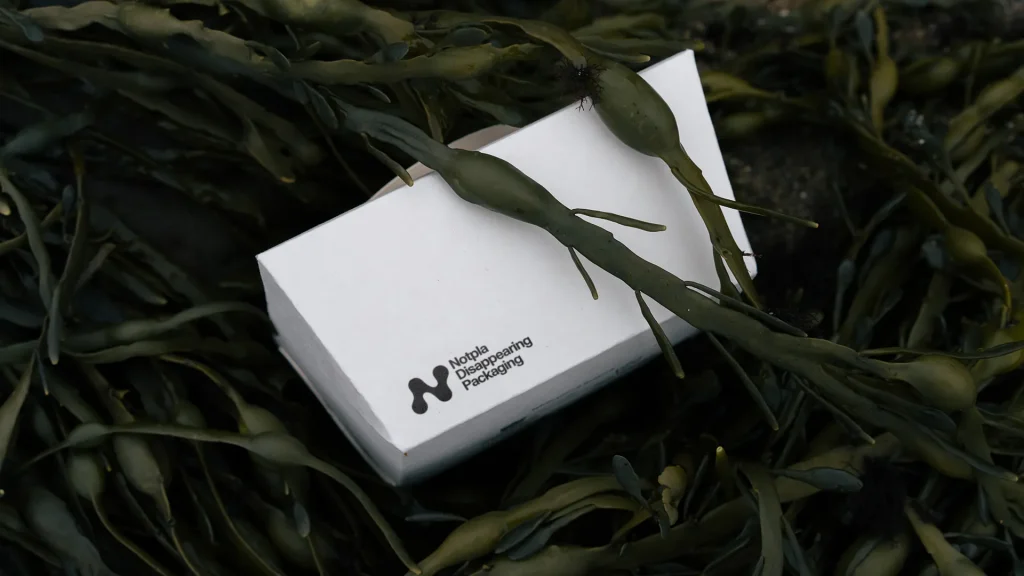
Circularity by Design is not just about using promising sustainable raw materials such as bamboo, hemp or seaweed. It starts even earlier with the question of how a product is designed. Where do the raw materials come from? How is the product made? Will it last a long time? Can it be repaired? And what happens when it can no longer be used?
Emilie van Wonderen, programme manager at the Postcode Loterij Fonds: “We shouldn’t wait until a product has been discarded before thinking about what will happen to it; instead, we need to make choices right from the design stage to ensure that the product uses as few raw materials as possible and can ultimately be recycled.”
According to Sanne Bootsma, Impact Investment Manager at DOEN Ventures, this requires a different way of thinking. “We want products to be designed so that they don’t take anything away from the world, but actually add something to it. This could be in the material, the design or the business model. Ultimately, it’s about creating value rather than causing harm. The focus is not on one solution, but on the way in which a product and the entire chain are structured.”
The role of DOEN
There is no shortage of good ideas, yet many innovations do not reach the mass market on their own. New materials and production methods require investment, while finding funders in the initial growth phase is often hard.
“The step towards large-scale application is difficult,” says Sanne. “Scaling up production takes time and money, while many funders find that phase daunting. This is where we try to make a difference.”
Through the Postcode Loterij Fonds and DOEN Ventures, DOEN not only supports individual entrepreneurs but also takes a holistic view of the entire supply chain, from the development of new materials and products to the organisations that help to implement them on a larger scale. By funding pioneers and raising the profile of their innovative approach, DOEN helps innovations to flourish and also inspires other designers, entrepreneurs and supply chain partners to take action.
That sometimes starts as early as the design phase. Through its Art & Design for Biobased Materials programme, the DOEN Foundation supports designers and artists working on biodesign and circular entrepreneurship. In addition to funding, they receive coaching from scientists and entrepreneurs, as well as access to a network of experts. This allows innovative ideas to grow into solutions that have a greater social impact.
This is what Circularity by Design looks like
The projects that DOEN supports show that Circularity by Design takes shape in many different ways. Here are a few examples:
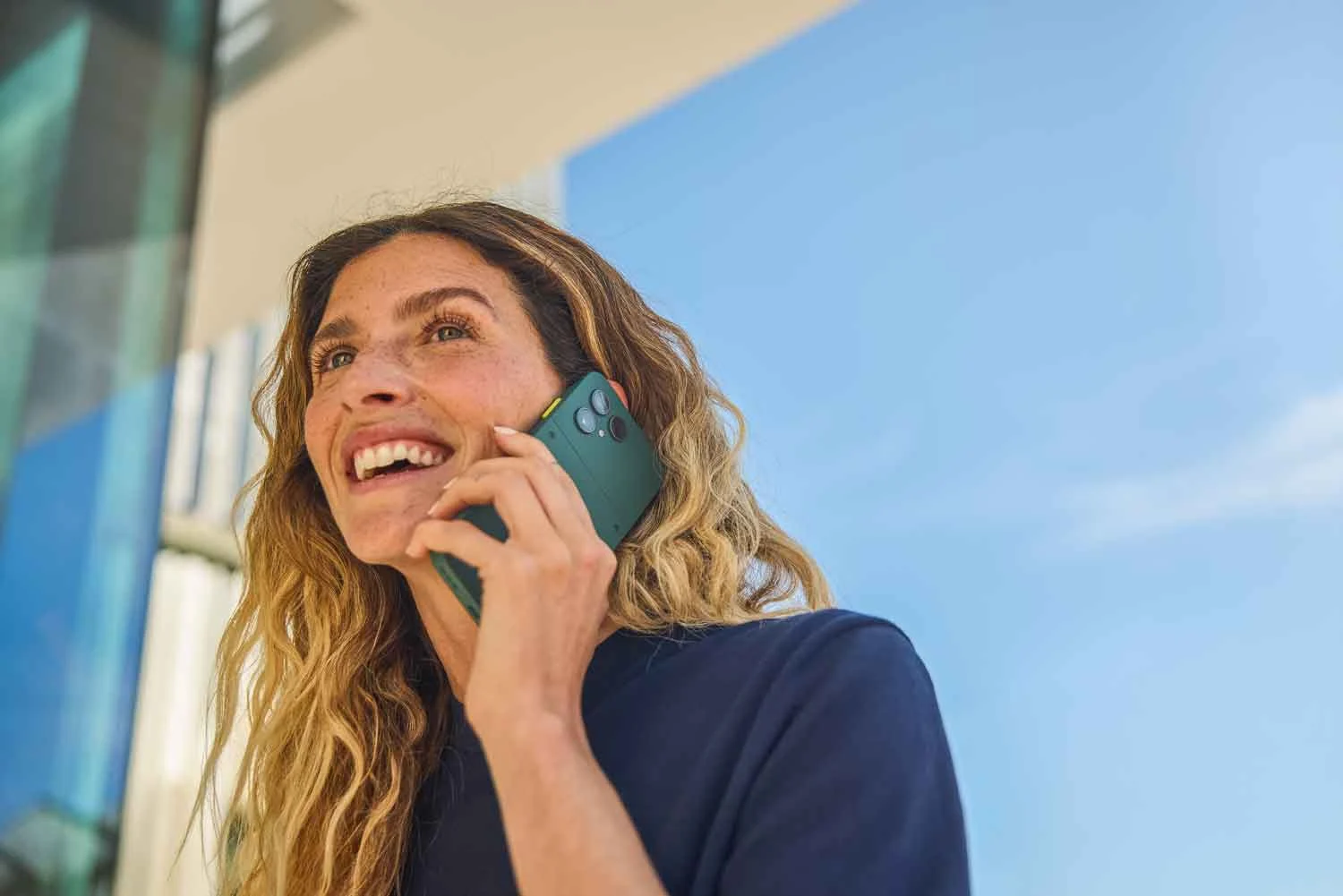
- Fairphone has developed a smartphone that is easier to repair and is working towards fairer production chains;
- United Repair Centre gives clothing a second life while simultaneously creating employment for newcomers;
- Billy Wonder produces reusable nappies made of hemp fibres and shows how smart material choices, a new business model and partnership with childcare organisations can lead to less waste and greater ease of use;
- With laundry and cleaning products based on natural ingredients, Seepje shows that consumers do not have to compromise on convenience to make a better choice.
Not all of these initiatives are fully circular yet. Sometimes a middle ground is needed, because technologies are still under development or the market is not quite ready for them. For this reason, DOEN has chosen to support pioneers who show what is already possible. Every step brings the circular economy closer.
Sanne: “It’s up to designers and entrepreneurs to ensure that the sustainable choice also becomes the easy choice. We want to offer consumers a better alternative.”

From pioneer to new standard
Circularity by Design won’t become the new standard just because one entrepreneur has a good idea. For that to happen, the whole system needs to move with it. Companies, consumers, and government constantly influence each other. That’s why Emilie believes that partnership is indispensable.
“We need each other. Companies respond to what consumers want, consumers want convenience, and government creates the framework. That’s why pioneers are so important. They show that things can be done differently and set the rest of the system in motion.”
Sanne is looking forward to the time when Circularity by Design no longer needs to be a separate topic: “Ultimately, we hope that circular design will become the most natural thing in the world.”
The Postcode Loterij Fonds and DOEN Ventures fund pioneers working on Circularity by Design thanks to the players of the Postcode Loterij.

Blue economy
Water makes life possible and is essential for food, climate, energy and the economy. Yet we often treat our oceans as if their resources are limitless, even as the pressure on them grows. Every year, 11 million tonnes of plastic end up in the sea, and more than a third of fish stocks are overfished. Fortunately, a growing number of pioneers are showing that water and the economy can exist in balance. That is why Stichting DOEN is committed to a regenerative Blue Economy that restores rather than depletes.
Read the article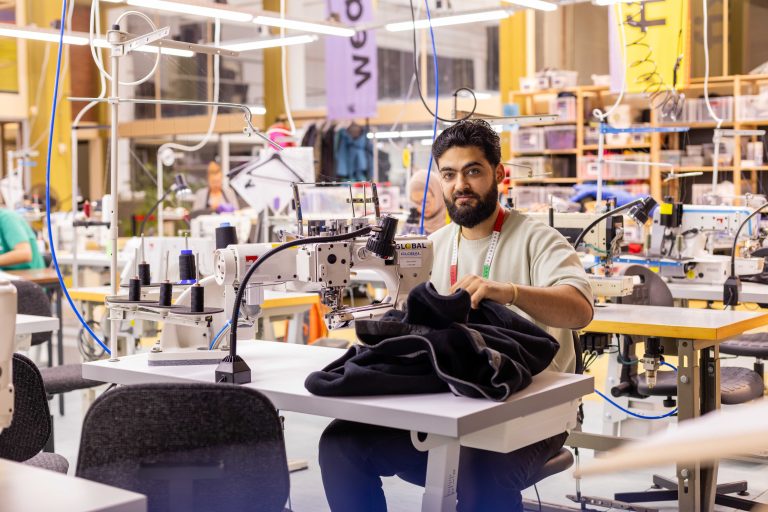
United Repair Centre
United Repair Centre is a social enterprise with a clear and ambitious mission: to repair the clothing industry. But is it actually broken? Well, it’s working at full capacity. But the way it operates is disastrous for the people in the industry and for the environment on earth. United Repair Centre demonstrates that there’s another way. By repairing clothes, they extend the lifespan of products and create jobs for people who face barriers in the labour market. In this way, they’re helping to build a sustainable and inclusive economy.
Read the article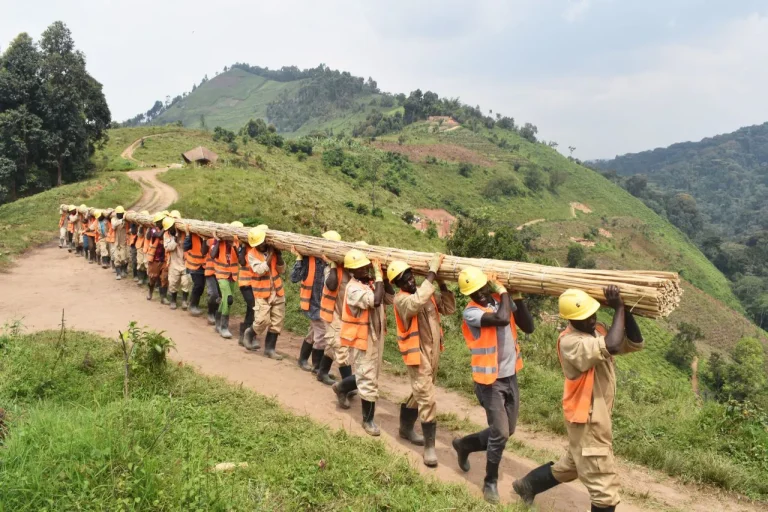
Bamboo Uganda
Bamboo Uganda aims to make better use of bamboo’s potential in Uganda. The association brings together farmers, processors, designers and other entrepreneurs and works on everything needed to further develop the sector. From knowledge and research to processing, new markets, and regulations for building with bamboo.
Read the article